




 Scientific production
 Technical resources and equipment
 Expertise and disciplines
Recent publications
742.
- titre
- Transfer dynamics of macroplastics in estuaries – New insights from the Seine estuary: Part 3. What fate for macroplastics?
- auteur
- R. Tramoy, Johnny Gasperi, L. Colasse, C. Noûs, B. Tassin
- article
- , Elsevier, 2021, 169, pp.112513. ⟨10.1016/j.marpolbul.2021.112513⟩
- titre
- (IM-)MATERIAL FLOW ANALYSIS FRAMEWORK IMPLEMENTATION ON REPAIR AND REUSE INITIATIVES
- auteur
- Julie Gobert, Romain Allais
- article
- , EDP Sciences, 2021, 108 (5-6)
- titre
- Heavy Metal Fluxes in Tropical Urban Forest Soil in Abidjan District (Côte d’Ivoire)
- auteur
- B. Emile Bolou-Bi, D. Jean Baptiste Ettien, Mireille Pitta, Thierry Philippe Guety, Clarisse Balland-Bolou-Bi
- article
- , 2021, 10 (02), pp.169-183. ⟨10.4236/jacen.2021.102011⟩
- titre
- L’enfance du pouvoir
- auteur
- Rawan Charafeddine, Jean-Baptiste van der Henst
- article
- , EDP Sciences, 2021, 37 (4), pp.386-391. ⟨10.1051/medsci/2021036⟩
- titre
- Uptake, accumulation and associated cellular alterations of environmental samples of microplastics in the seaworm Hediste diversicolor
- auteur
- Omayma Missawi, Noureddine Bousserrhine, Nesrine Zitouni, Maria Maisano, Iteb Boughattas, Giuseppe de Marco, Tiziana Cappello, Sabrina Belbekhouche, Mohamed Guerrouache, Vanessa Alphonse, Mohamed Banni
- article
- , Elsevier, 2021, 406, pp.124287. ⟨10.1016/j.jhazmat.2020.124287⟩
Supervisory authorities


Member of


Theme 3: Functioning and Territorial Management of Receiving Environments
Description
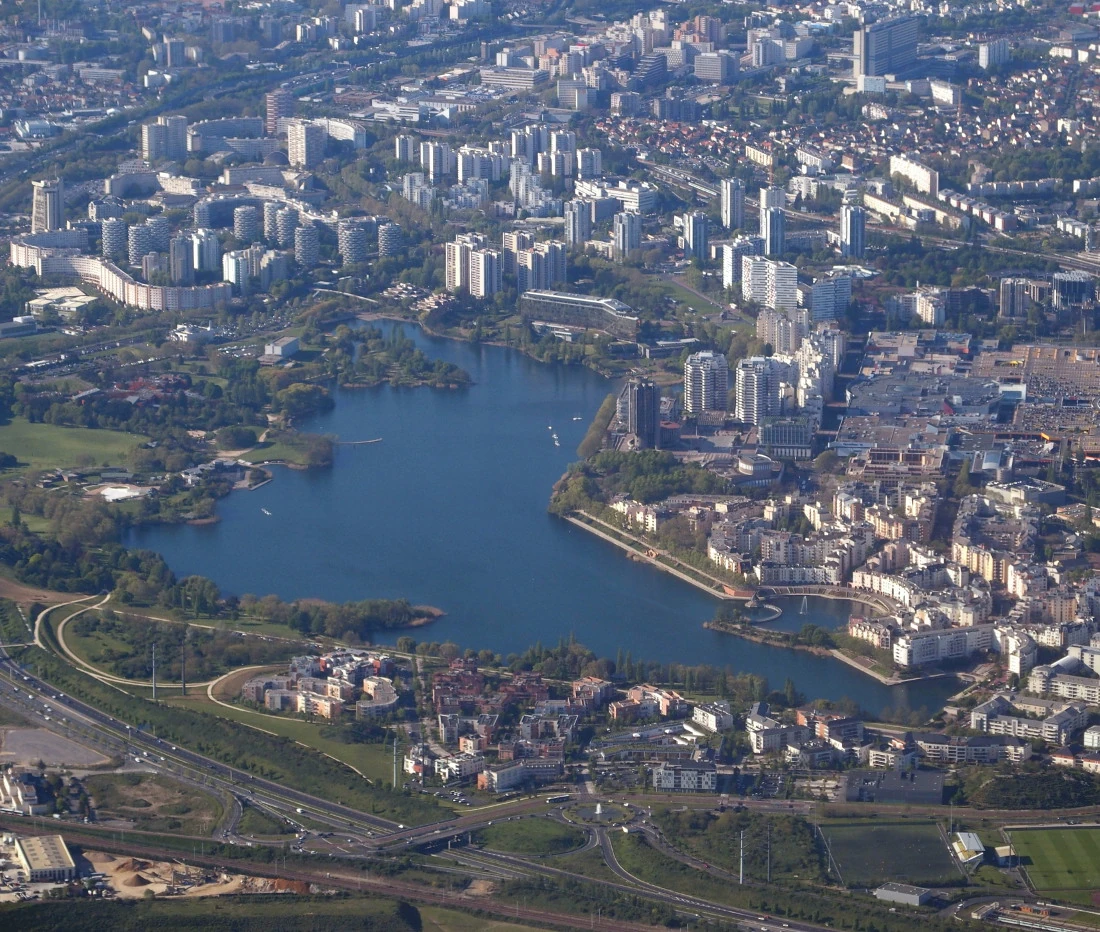
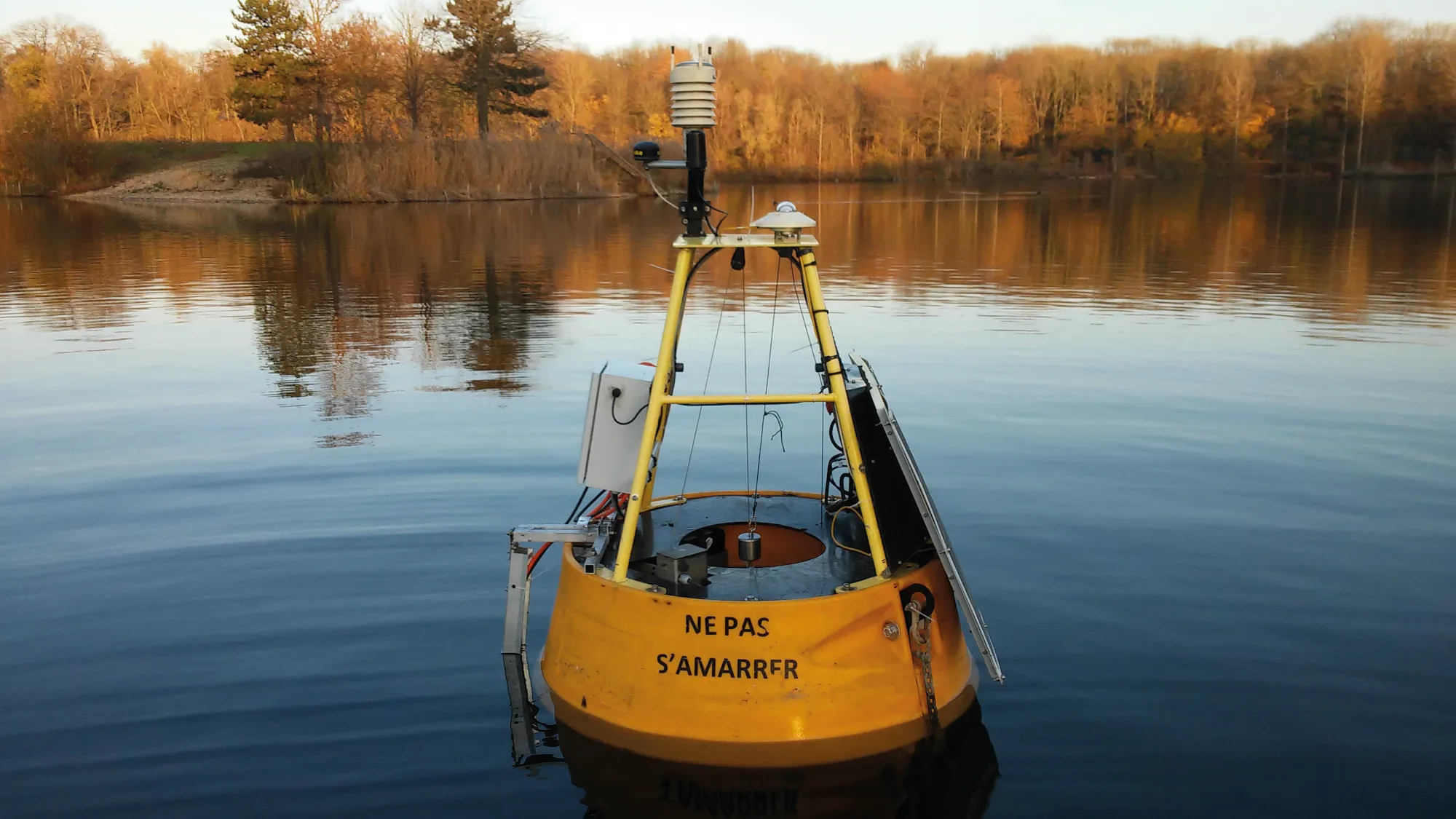
The impact of anthropogenic pressures on receiving environments and the governance of these impacts are central to the research conducted at Leesu under this theme. The studied receiving environments include rivers, water bodies, and urban and peri-urban soils.
Particular attention is given to the evolution of the sanitary and environmental quality of these ecosystems. A unique aspect of the approaches taken is the combined consideration of the physical, biogeochemical, and ecological functioning of the ecosystems studied. In the face of these anthropogenic pressures, the resilience of urban receiving environments becomes a critical question. How will these ecosystems evolve under climate change and increasing anthropogenic pressure? How can they be better preserved? What solutions, and at what scales, can make them resilient? How can research findings be more effectively integrated into ecosystem restoration projects undertaken by operational actors (municipalities, companies, etc.)? What issues of territorial justice are raised by the transformation of these environments?
The objectives of this theme are to:
- evaluate the impact of anthropogenic pressures on receiving environments in metropolitan territories: soils, rivers, and water bodies;
- analyze the evolution of pollutant concentrations and fluxes (organic micropollutants, trace metals, plastics), sanitary quality, and ecosystem functioning;
- develop an integrated approach that considers the hydrodynamic, biogeochemical, ecological, and socio-political functioning of the ecosystems studied.
The theme is composed of several sub-themes:
- Functioning of Urban Aquatic Environments
- Functioning of Urban Soil
- Functioning and Preservation of Built Environment Ecosystems
- Territorial Management of Receiving Environments